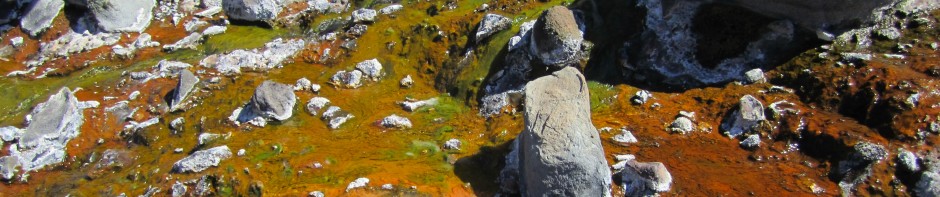
Diatomaceous Earth (DE) is a naturally occurring sedimentary rock, composed of the fossilized remains of tiny hard-shelled aquatic organisms called diatoms. These microscopic wonders have intricate, porous skeletons made of silica, which, over millions of years, accumulate in deposits on ocean floors and in ancient lakes. Silica is common in nature, making up 26% of the earth’s crust by weight, and can come in many forms including sand, emerald, quartz, feldspar, mica, clay, asbestos, and glass.

Silicon, a component of silica, does not exist naturally in its pure form as it usually reacts with oxygen and water to form silicon dioxide. Silicon dioxide has two naturally occurring forms: crystalline and amorphous. Most diatomaceous earth is made of amorphous silicon dioxide.
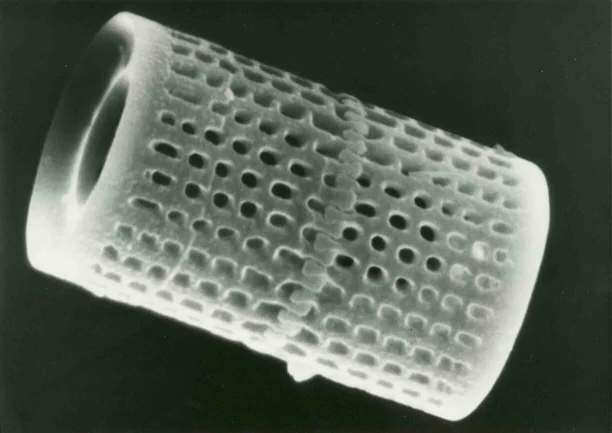
A single diatom skeleton under the microscope
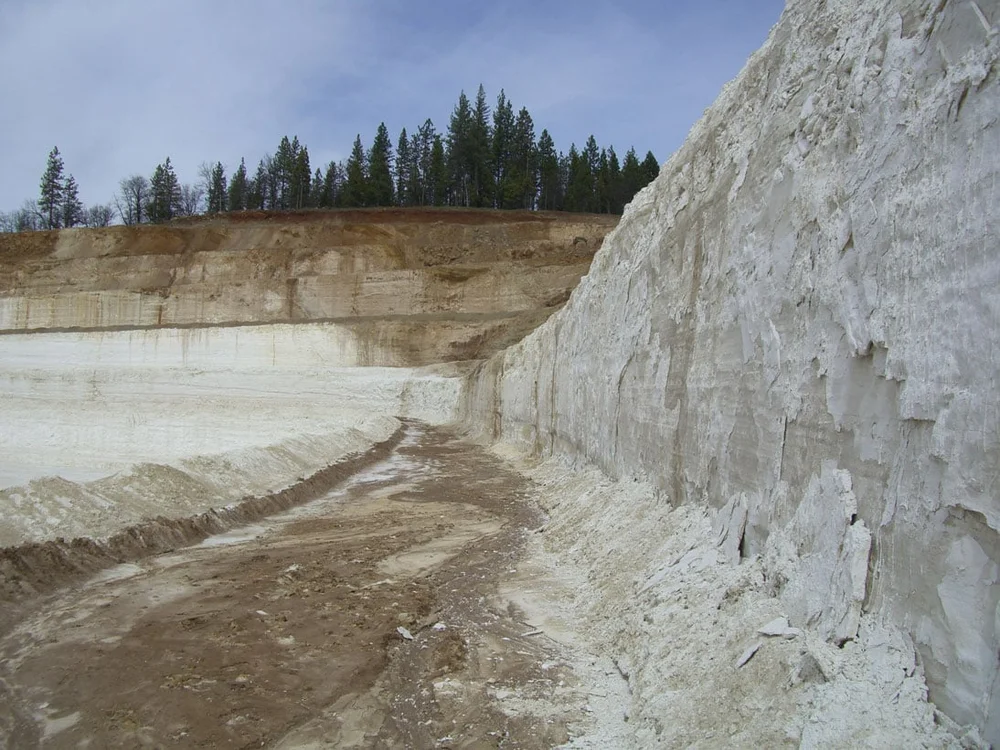
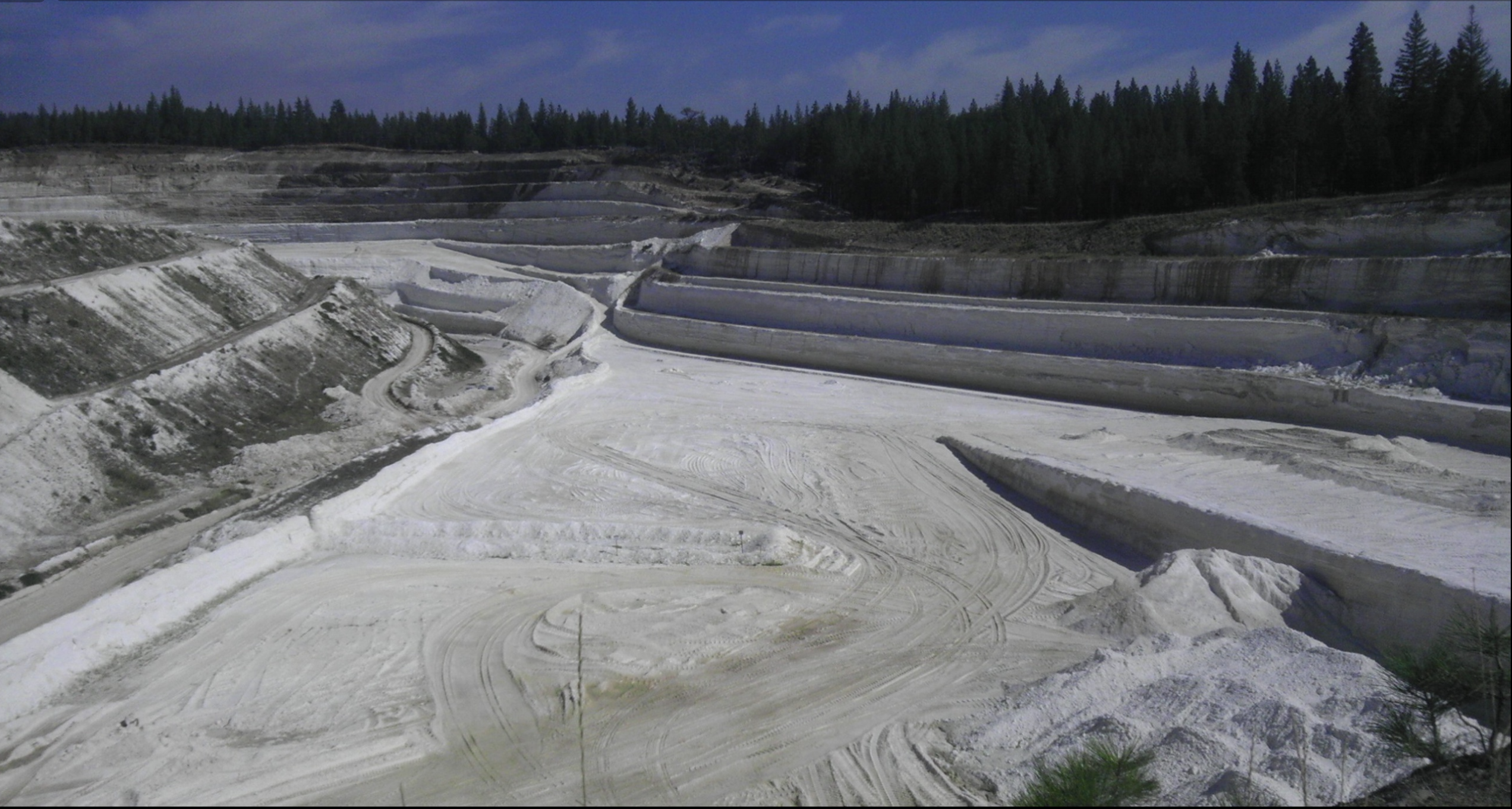
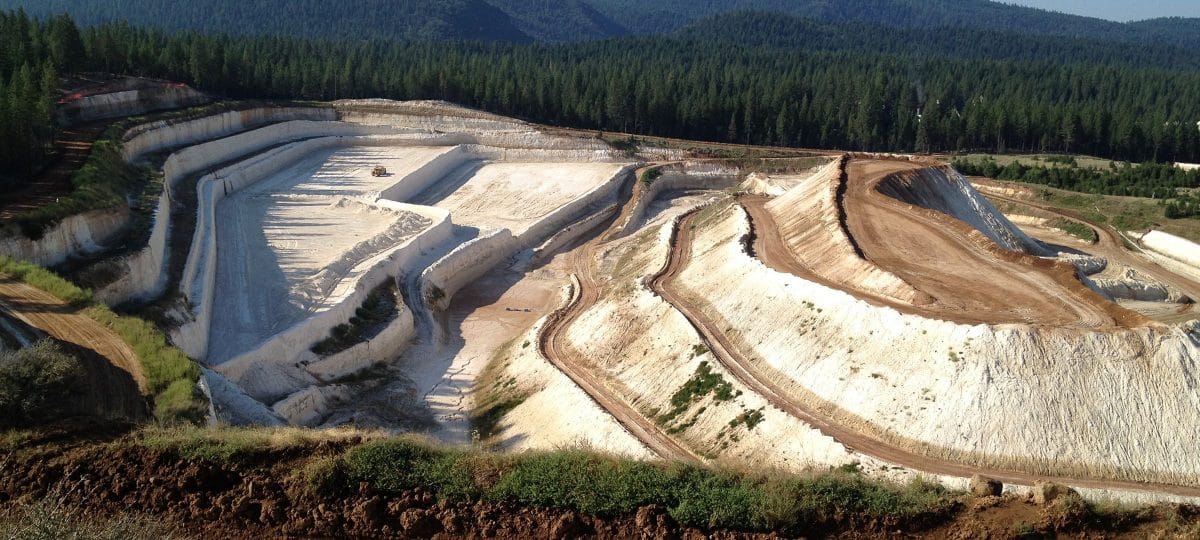
Dicalite mine is just up the road from Big Bend in Shasta County, California. The facility produces Dicalite Calcined and Flux-Calcined DE products. This deposit is one of the premier commercial fresh-water diatomaceous earth deposits in the world. The large mining operation of this huge deposit of DE is located up the Pit River not far from the Madesi Valley, but it is on the other side of the mountain, so it can not be seen from Big Bend.
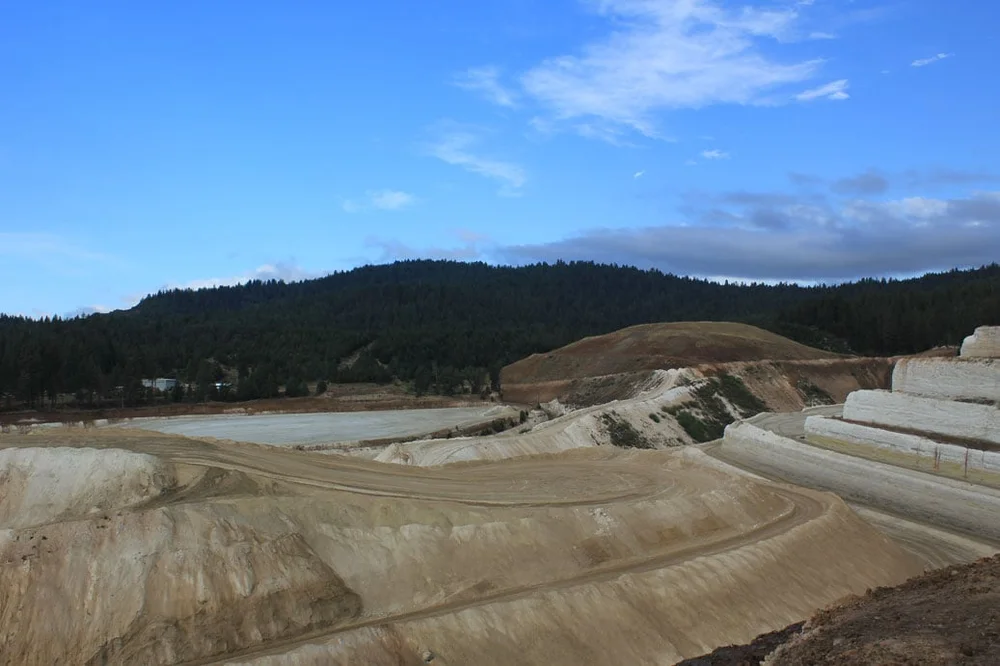
The Mountain of DE: The Madesi (one of 11 bands in the Pit River Tribe) people of Big Bend apparently called this mountain Toolaypah-Atay Ahko, but early colonialist invaders (AKA “settlers”) misunderstood the geology and assumed that the large white ancient slide scar on the Big Bend side of the mountain was a chalk deposit, so it’s now commonly known as “Chalk Mountain” (a misnomer). The white ancient slide near the top of the mountain and the cliff faces below it resemble a four-legged large animal, so locals call it the “White Buffalo” (meaning an albino American Bison). So this mountain has a double misnomer with these post-invasion names. “Chalk and “Buffalo” are actually Diatomaceous Earth and Bison…

Diatomaceous Earth (DE) is a chalk-like powder layer made from the fossilized remains of microscopic, aquatic organisms called diatoms. The DE deposit in Chalk Mountain is actually made of the skeletons of diatoms from ancient sea floor, from before the layer was pushed up into a mountain from plate tectonics millions of years ago. It is primarily composed of silica and is used by humans for a variety of tasks ranging from non-toxic pest control to household filtration…
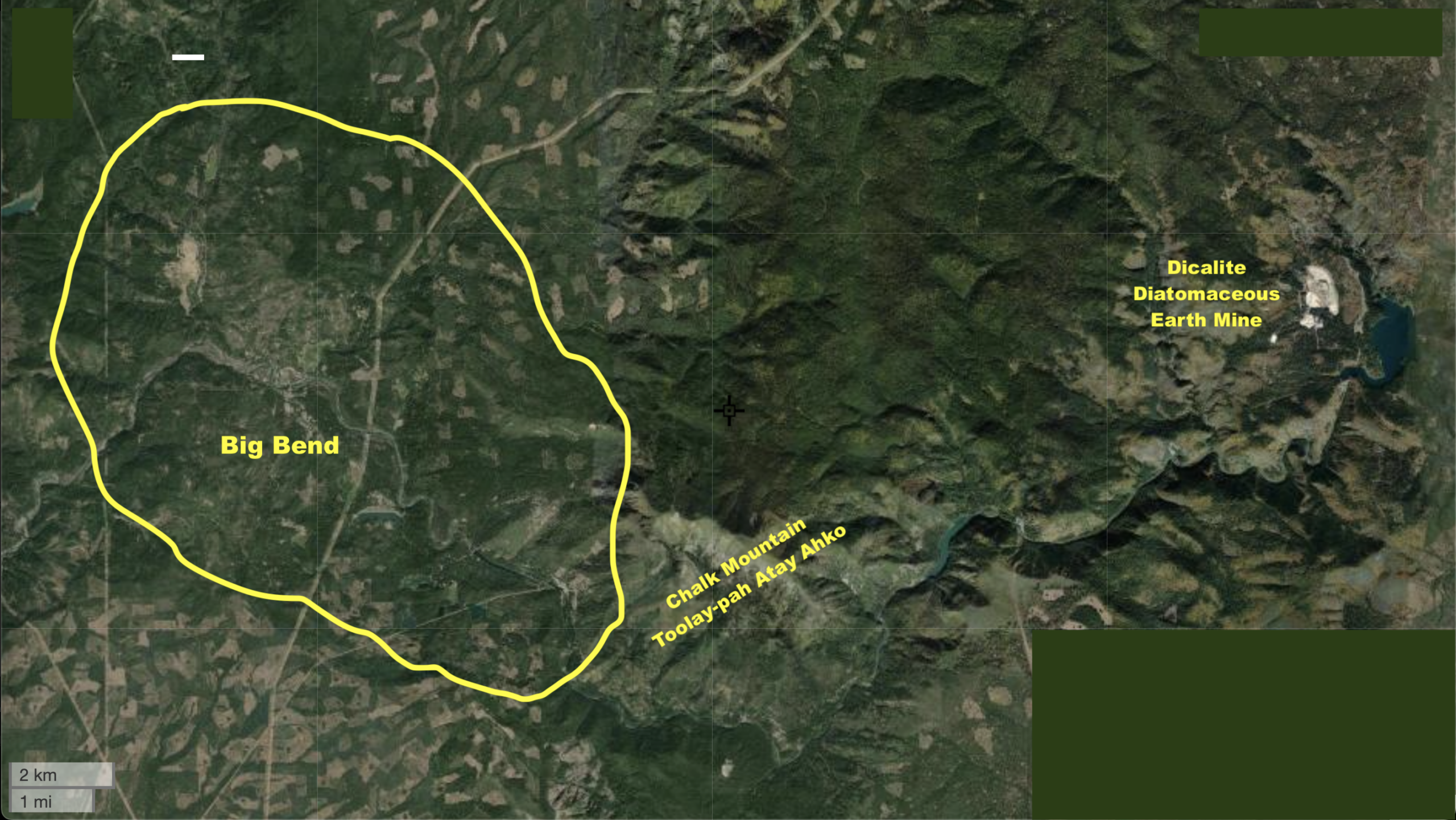
More than half of the landmass in the picture above (captured from space) is Toolay-pah Atay Ahko, the largest, tallest, and most iconic mountain in the valley. It towers over Big Bend and many evenings, the west-facing “White Buffalo” is glowing like hot coals on the mountain side cliff face, in stunning sunset glow-a-thons that are a visual treat…
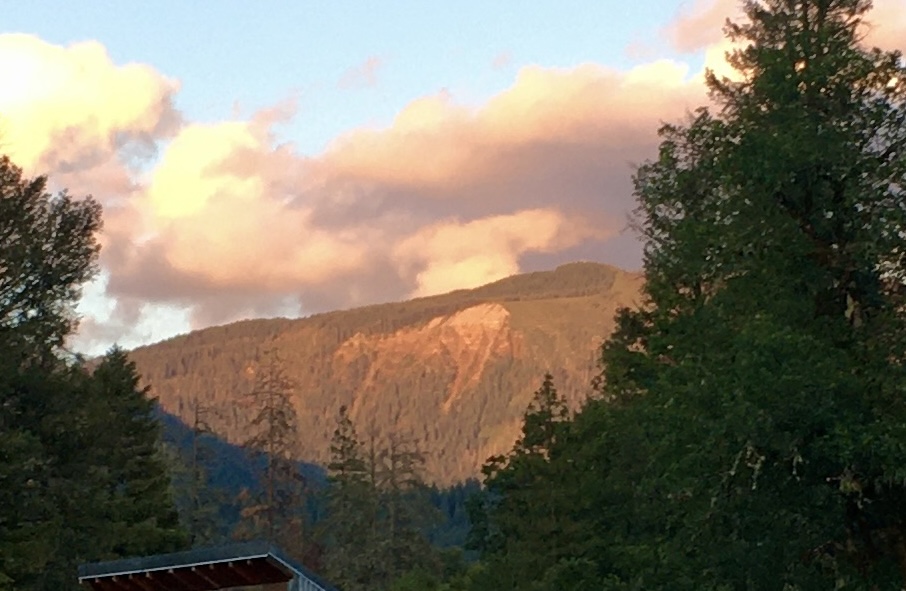
The large mining operation of this huge deposit of freshwater Diatomaceous Earth is located up the road from Big Bend, but it is mountainous terrain with often sketchy road issues or difficult road conditions on the other side of the higher elevation parts of Summit Lake Road.
That whole mountain seems to be filled with Diatomaceous Earth!
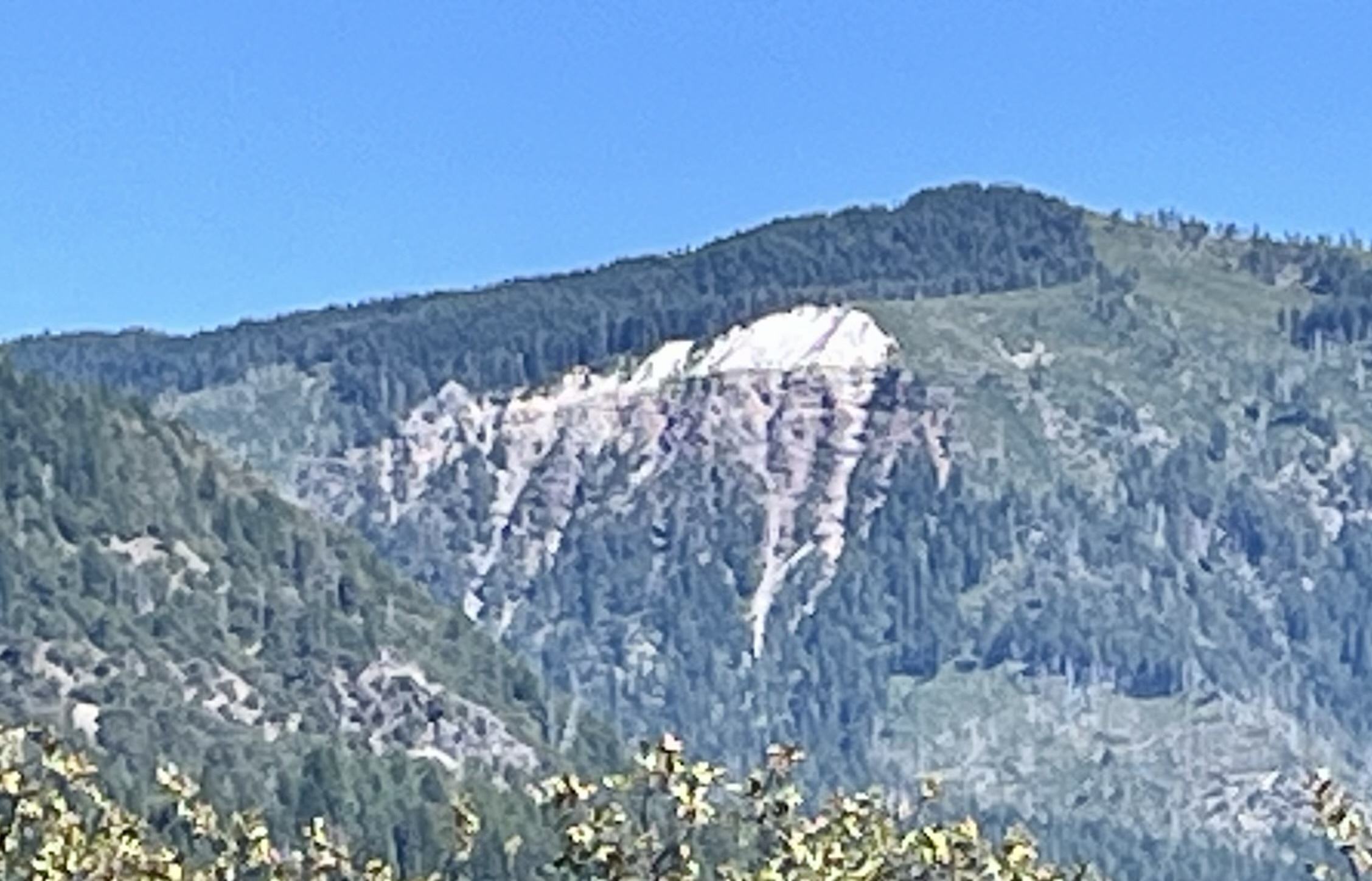
Dicalite Management Group. Burney, California facility produces Dicalite Calcined and Flux-Calcined Diatomaceous Earth products. This deposit is one of the premier commercial fresh-water diatomaceous earth deposits in the world.
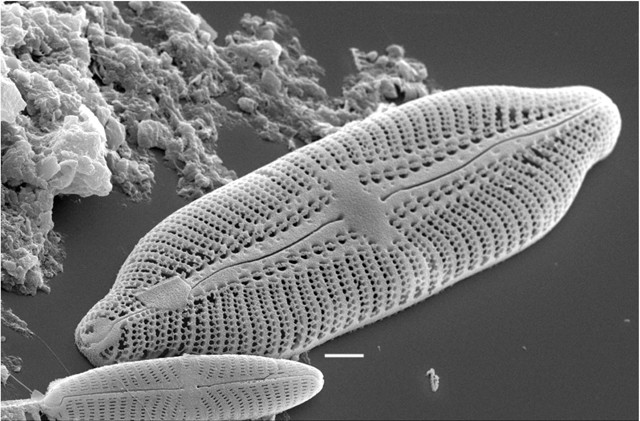
Microscopic diatom skeletons are used to filter microbes and disease-causing viruses from public water systems. Diatomite is also used to filter sugar, oil, organic and inorganic chemicals, and various alcoholic beverages, including beer and wine. Credit: Sarah Spaulding/USGS
Some Uses of Diatomaceous Earth (DE)
DE’s remarkable properties make it a versatile substance with a wide range of applications for humans:
Filtration: DE is a star in filtration systems. Its porous structure makes it superb at trapping particles, making it ideal for water, beer, and oil filtration, as well as in swimming pool filters.
Pest Control: DE is a natural insecticide and pesticide that works by drying out bugs instead of poisoning them. It’s used in agriculture to combat pests and protect stored grains, and it’s even found in pet flea powders.
Absorbents: Due to its absorbent nature, DE is used to soak up spills of oil and hazardous materials. It’s also an essential component in cat litter.
Abrasives: DE’s gentle abrasive qualities make it suitable for industrial applications such as metal polishing and toothpaste.
Additives: It’s an ingredient in products like paints, cosmetics, and even dynamite.
Dicalite Burney produces diatomaceous earth filter aids and fillers, including:
- Calcined Filter Aids for fine filtration applications
- Filter Aids for food-grade filtration
- Flux-Calcined Fillers
- Flux-Calcined DE Filter Aids for fast filtration applications
Soil Amendment Farming & Gardening:
When viewed under a microscope, diatomaceous earth looks like thousands of tiny shards of glass. Because it is highly abrasive and absorbent, it acts as a mechanical insecticide against soft-bodied insects and arthropods (such as fleas, ants, beetles, and bed bugs). When a bug crawls through the powder, the particles pierce its waxy protective outer layer, causing it to dehydrate and die. Diatomaceous earth can help eliminate crawling insects and garden pests by piercing their protective outer shells and dehydrating them. It is highly effective at keeping away tiny pests by treating infested areas:
- Indoor Pests: Bed bugs, cockroaches, ants, fleas, silverfish, and spiders.
- Garden Pests: Aphids, thrips, mites, beetles (including Japanese and flea beetles), and slugs.
- Inside the House: Lightly dust the powder in dry, secluded areas such as behind baseboards, under appliances, around wall voids, and near cracks or crevices where pests travel.
- Around Pets: Food-grade diatomaceous earth can be used on pet bedding to manage fleas, though it is best to consult with a veterinarian regarding direct application on your pets.
- In the Garden: Dust leaves lightly or create a 2-inch wide protective barrier on the soil around the base of plants. **Be careful to keep it away from open, blooming flowers, as it will also kill beneficial pollinators like bees and ladybugs.
Common Types and Uses
There are two main grades of diatomaceous earth, and their usage differs significantly:
- Food-Grade: Mined from freshwater deposits and processed without added chemicals, food-grade diatomaceous earth is safe to ingest. It is commonly used as a natural, organic pest deterrent in homes and gardens, an anti-caking agent in livestock feed, and sometimes as an additive to promote hair, skin, and nail health.
- Filter-Grade (Non-Food Grade): Treated with high heat and often used for industrial purposes. This grade contains a much higher percentage of crystalline silica, making it highly toxic if inhaled or ingested. It is primarily used for swimming pool filters and dynamite manufacturing.
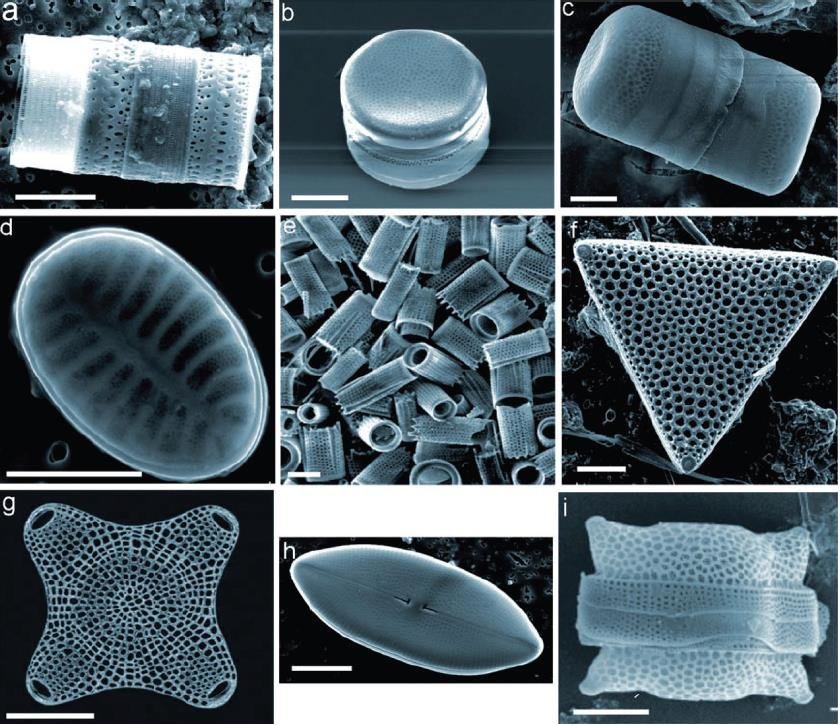
SEM picture of fossilized diatom biosilica structures from diatomaceous earth. An SEM (Scanning Electron Microscope) picture is a highly magnified, detailed 3D-like image of a sample’s surface, created by scanning it with a focused beam of electrons. They are known for their extreme detail and are traditionally rendered in grayscale.
Important Safety Tips
- Use discretion in the garden: Diatomaceous earth is non-discriminatory. While it kills garden pests, it will also harm beneficial, soft-bodied insects and pollinators like bees and ladybugs if applied directly to flowers.
- Keep it dry: It only works when it is perfectly dry. Rain or morning dew will temporarily render the powder useless until it dries out again.
- Protect your lungs: Even food-grade dust can cause severe respiratory irritation if inhaled in large quantities. Always wear a mask or respirator when applying it indoors or outdoors.
Water Pollution and Vestra Work:
Dicalite Minerals Corporation operates a large, open-pit diatomite mine near Burney in Shasta County, California. Treated storm water is discharged from the facility to an intermittent tributary to Lake Britton (the reservoir above Pit 3 Dam on the Pit River). The California RWQCB (Regional Water Quality Control Board) had issued orders to address elevated zinc concentrations as well as settle-able solids, suspended solids, pH, and acute toxicity detected in effluent samples above the limits set in the site-specific Waste Discharge Requirements (WDRs).
Vestra Resources Inc. (Redding) assisted in identifying sources of elevated zinc associated with plant and quarry operations. Because discharge and background receiving water concentrations are periodically detected above California Toxics Rule (CTR) levels, a site-specific translator was developed to set new dissolved metals criteria. Through recent negotiations with the RWQCB, Vestra assisted Dicalite in obtaining coverage under the General Industrial Storm Water Permit for storm water discharges and rescinding the existing WDRs, greatly reducing sampling and monitoring requirements and associated costs.
Additionally, Vestra completed permitting of an 80-acre expansion of the Dicalite mine. The company purchased 160 acres of adjoining land which they planned to use for overburden disposal and stockpiling in addition to mineral development. Shasta County requested that Dicalite submit an updated Reclamation Plan, Use Permit application, and Initial Study. The project also required preparation of a Mitigated Negative Declaration under CEQA. Vestra prepared the updated Reclamation Plan and Initial Study. In addition, a Use Permit application was completed. Vestra biologists performed vegetation mapping and botanical reconnaissance-level surveys, as well as focused surveys for special-status species. A Biological Characterization Report, including detailed mitigation measures to ensure sensitive species were not affected by the mine expansion activities, was submitted as part of the Initial Study.
Analysis of Diatomaceous Earth’s Composition
Analyzing DE’s composition is crucial to ensure its quality and suitability for various applications. Some of the analytical techniques used are:
•Elemental and Mineralogical Analysis: DE’s chemical composition is routinely analyzed through techniques like X-Ray Diffraction (XRD) and X-Ray Fluorescence (XRF) to determine the percentage of silica and any impurities like clay, sand, and volcanic ash.
•Organics Analysis: DE that has been used for filtration or as an absorbent may be contaminated with oils, grease, or volatile organic compounds. In the technique Gas Chromatography/Mass Spectrometry (GC/MS), GC resolves the sample components based on volatility, and MS detects and identifies the compounds present.
•Thermal Analysis: Scientists subject DE to high temperatures to study its thermal stability, which is important for applications involving heat such as using DE as an insulator in fire-resistant safes. Moisture content can also be determined through Loss on Drying analysis.
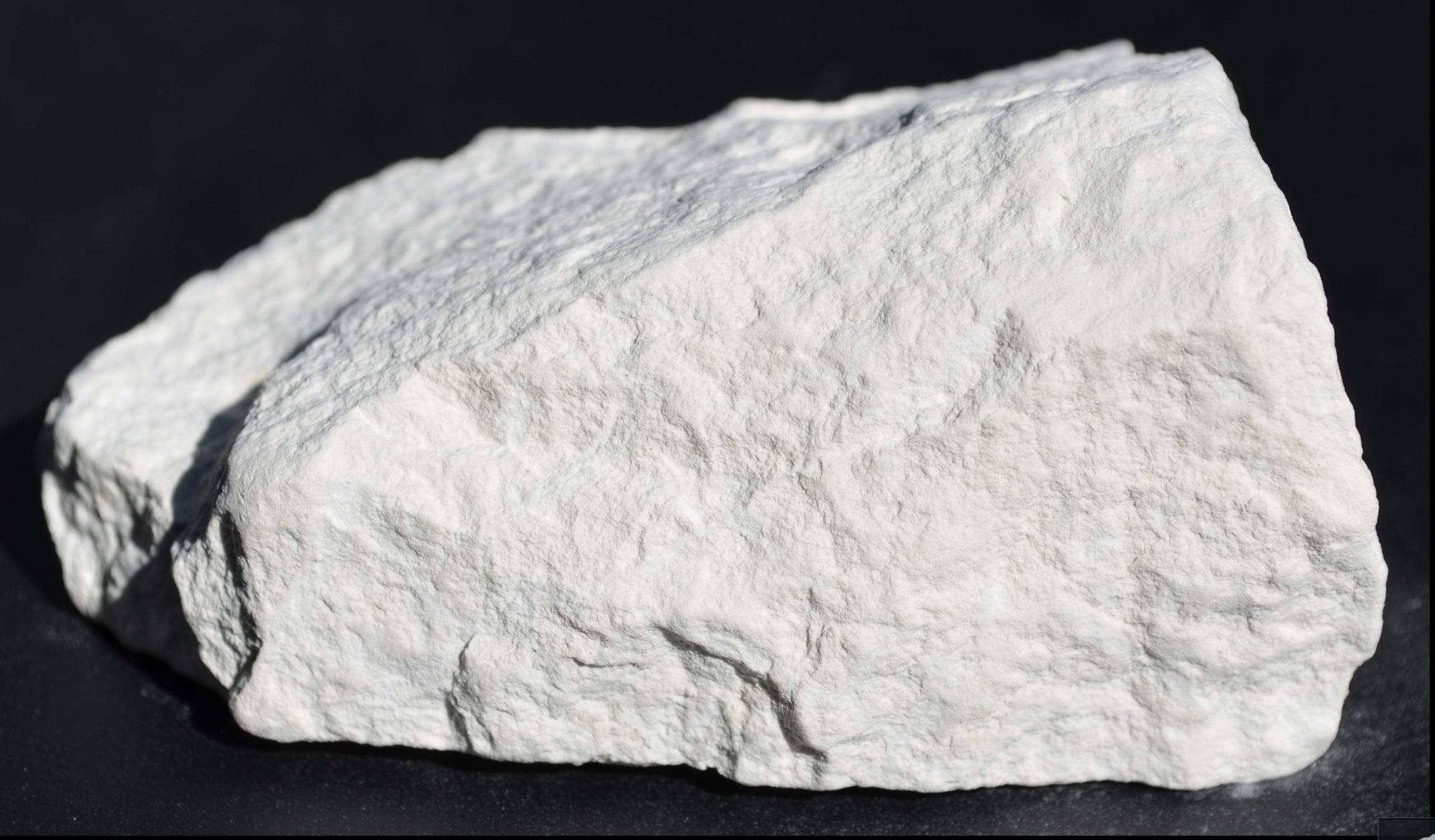
A siliceous-rock composed predominantly of diatoms and with porosity greater than 50%. Diatomaceous earth is the commercial term applied to unconsolidated or crushed diatomite. It is mined and used as a filtering agent among other uses. A naturally occurring, soft, siliceous sedimentary rock that can be easily crumbled into a fine white to off-white powder. It has a particle size ranging from more than 3 μm to less than 1 mm, but typically 10 to 200 μm.
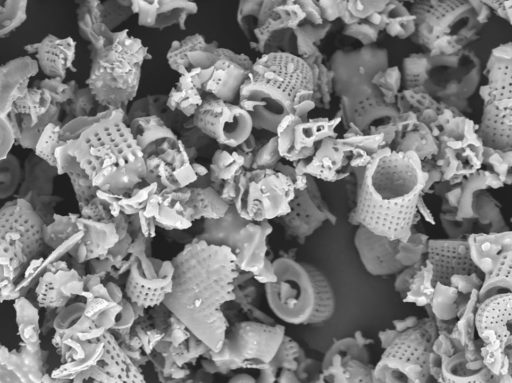
Depending on the granularity, this powder can have an abrasive feel, similar to pumice powder, and has a low density as a result of its high porosity.
Fun Facts
•More than 200 different kinds of diatoms are known to exist today, with an estimated 100,000 extinct species; they comprise one of the primary forms of oceanic plankton.
•Some diatomite is mined for its use in filtering human blood plasma.
•Diatomite can be used as a nontoxic insecticide to desiccate pests, including bed bugs.
•Diatomite is used in the production of matches: It provides friction as a match-head is ignited, while also slowing the speed of ignition to permit the matchstick to combust.
Finding The Dicalite Mine:
For truck drivers coming to pick up a load of DE, finding The Dicalite Mine can be difficult, especially if they depend on a GPS locator and directional system. They have often been sent by GPS to descend into the Madesi Valley and then follow Summit Lake Road up to the Dicalite facility. That is not a good route, however, and many trucks have become lost or stuck in snow when following this arduous road.
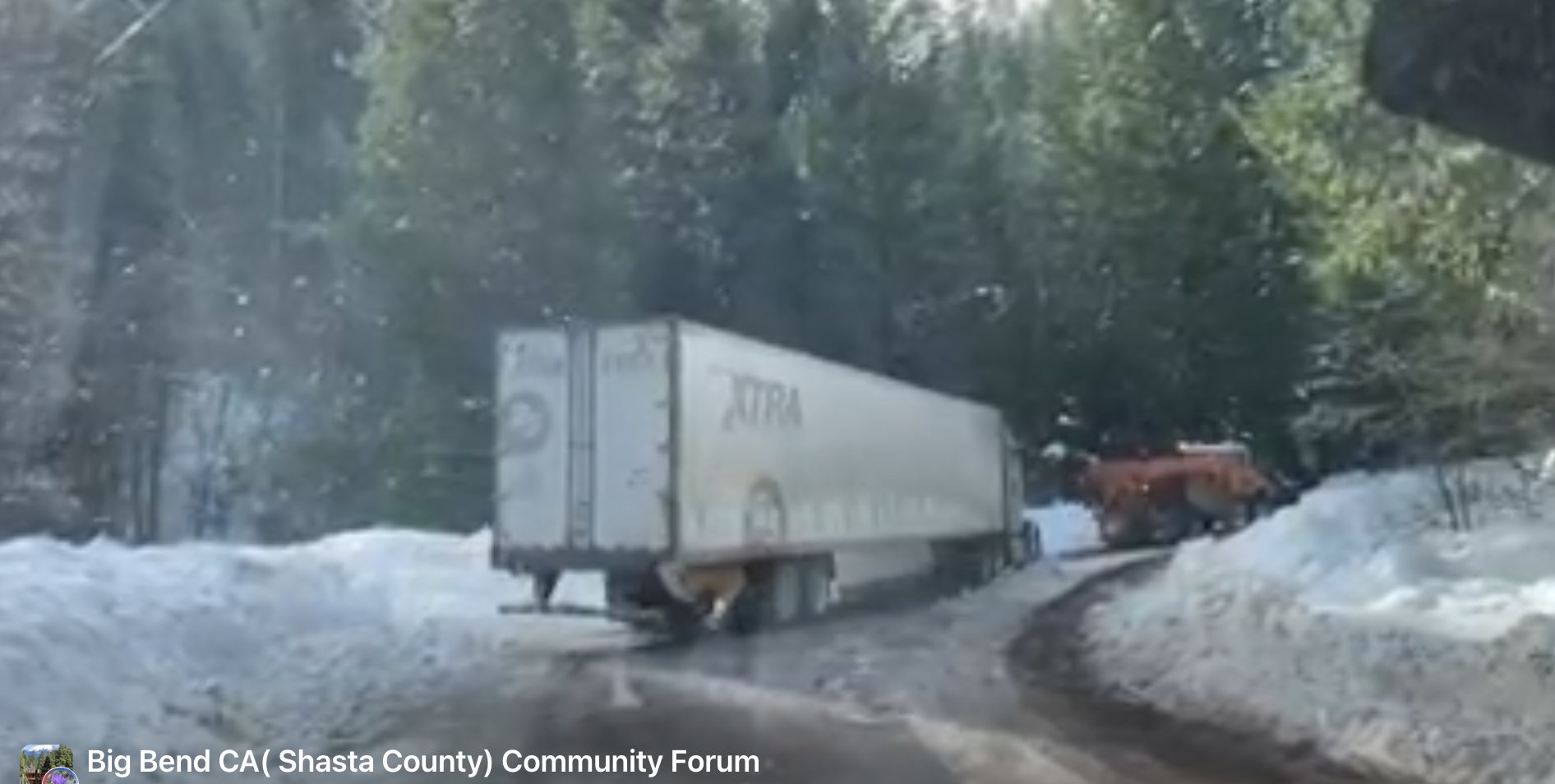
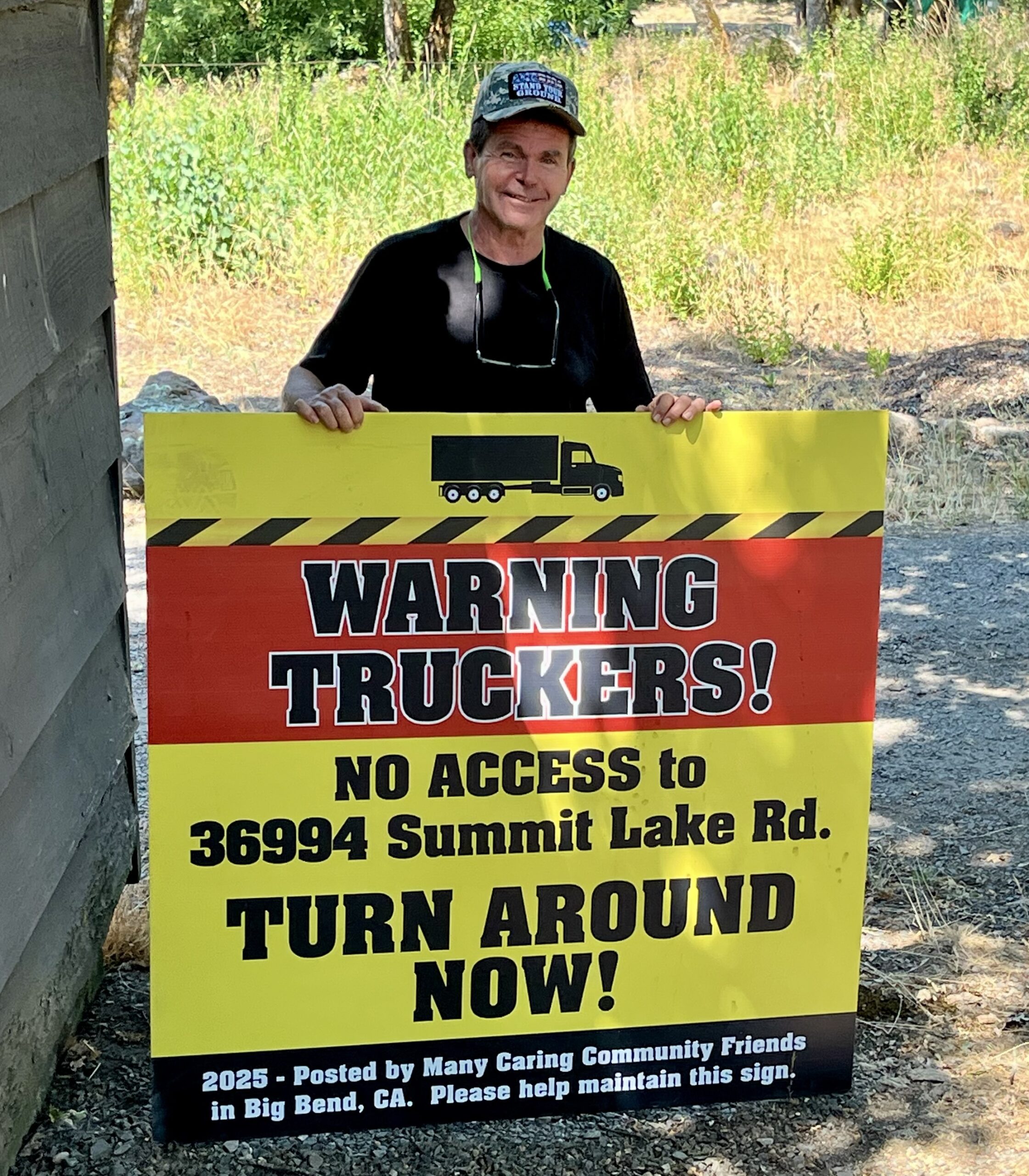
After many misguided truckers became stuck and stranded on Summit Lake Road over the years, a local Big Bend resident made and posted several large warning signs, to help prevent drivers from attempting to get to Dicalite this hazardous way:
~~~~~~~~~~~~~~~~~~~~~~~~~~~~~~~~~~~~~~~
**This article was not made with AI, but it was from a variety of online sources, contributors, photos, paraphrasing, and some information copied and pasted into this educational informational summary.